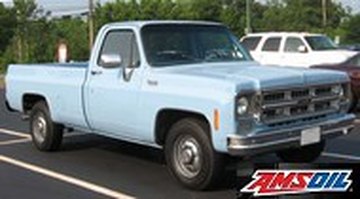
Maintaining Lubrication Integrity for the 1981 Gmc Trucks C2500 5.0L
Proper engine maintenance is a cornerstone of long-term vehicle health, particularly for a truck designed to handle various tasks over many years. For the 1981 Gmc Trucks C2500 equipped with the 5.0L engine, consistent attention to lubrication and fluid integrity ensures that mechanical components continue to operate as intended. While modern vehicles often rely on automated monitoring, older platforms benefit significantly from proactive, manual inspections and a disciplined approach to service.
Monitoring Fluid Condition and Potential Leaks
One of the most effective ways to monitor the health of an engine is through regular visual inspections of the lubrication system. Because seals and gaskets are subject to environmental factors and thermal cycling over time, it is prudent to check for any signs of seepage or active leakage. When performing a routine inspection, look for wetness around various engine junctions or pooling fluids on the ground beneath the vehicle.
If you notice fluid accumulation, it does not always indicate a catastrophic failure, but it does warrant investigation. Such observations can be associated with aging gaskets or loose fittings. Additionally, checking the appearance of the oil itself can provide clues about the engine's internal state. Oil that appears excessively dark, gritty, or contains visible particulates should be investigated, as these conditions may indicate that the lubricant is no longer providing adequate protection or that contaminants have entered the system.
Practical Inspection of Engine Components
Beyond just checking fluid levels, a comprehensive maintenance approach involves looking at the components surrounding the engine. For instance, if the vehicle is equipped with various drive belts, these should be inspected for signs of wear such as cracking, glazing, or fraying. Similarly, any visible hoses should be checked for softness, swelling, or cracks that could lead to pressure loss in other systems.
Electrical connections and wiring harnesses also deserve attention. Over decades of use, vibration and heat can cause connectors to become brittle or loose. Ensuring that electrical components are secure and free from corrosion helps prevent intermittent issues that might otherwise complicate mechanical troubleshooting. By combining fluid checks with these broader component inspections, an owner can develop a more complete picture of the vehicle's current condition.
Managing Maintenance Records for Long-Term Ownership
For owners of a 1981 Gmc Trucks C2500, establishing a maintenance baseline is highly beneficial. If you have recently acquired the vehicle and do not have access to its previous service history, your first priority should be to document its current state. This involves recording the dates and details of every oil change, filter replacement, and mechanical repair performed moving forward.
Maintaining a detailed log allows you to identify patterns that might otherwise go unnoticed. For example, tracking how much lubricant is added between service intervals can help you monitor consumption trends over time. Furthermore, having a clear history of completed repairs makes it easier to distinguish between a new issue and a recurring one. This organized approach transforms maintenance from a reactive necessity into a proactive strategy for preserving the vehicle's utility.
Identifying Potential Operating Symptoms
While many issues are visible during a stationary inspection, some signs only manifest while the engine is running. It is important to remain observant of how the vehicle behaves during operation. Unusual mechanical noises, such as rhythmic tapping or heavy knocking, should be investigated immediately, as these can be associated with various internal lubrication or mechanical conditions.
Changes in exhaust characteristics or unexpected odors can also serve as indicators that something requires attention. For instance, a burning odor might suggest that lubricant is contacting a hot external surface. It is vital to remember that many symptoms can have multiple underlying causes; therefore, an unusual observation should be treated as a prompt for professional diagnosis rather than a definitive confirmation of a specific part failure. Addressing these signs early can prevent minor concerns from escalating into more significant mechanical requirements.
Prioritizing Service Tasks Based on Condition
As vehicles age, the approach to maintenance often shifts from following a rigid schedule to responding to the actual condition of the components. Rather than replacing parts based solely on their age, it is often more effective to prioritize tasks based on what the vehicle actually needs. This means focusing on active leaks, visible wear on belts or hoses, or any warning signs identified during routine checks.
This condition-based approach helps distinguish between necessary preventive maintenance and unnecessary parts replacement. For example, a hose that remains flexible and shows no signs of cracking may not require immediate attention, whereas a belt showing significant glazing should be addressed promptly. By focusing on the most pressing needs first, you ensure that resources are directed toward maintaining the highest level of operational reliability.
Buying Engine Oil for your 1981 Gmc Trucks C2500 5.0L
When it is time to replenish the engine's lubricant, accuracy in selection is paramount. To ensure the engine receives the correct protection, you must match the oil to the application-specific viscosity and requirements already displayed on this webpage. Avoid making assumptions based on the age of the truck or general automotive trends; instead, rely strictly on the technical information provided in the application data above.
When shopping for products, always verify that the container's labeling aligns with the specifications listed here. You may encounter various formulations, including conventional, synthetic blends, and full synthetics, as well as high-mileage options designed with specific additives for aging engines. Select the product that most closely adheres to the vehicle-specific information provided on this page to ensure optimal performance and compatibility with your 5.0L engine.